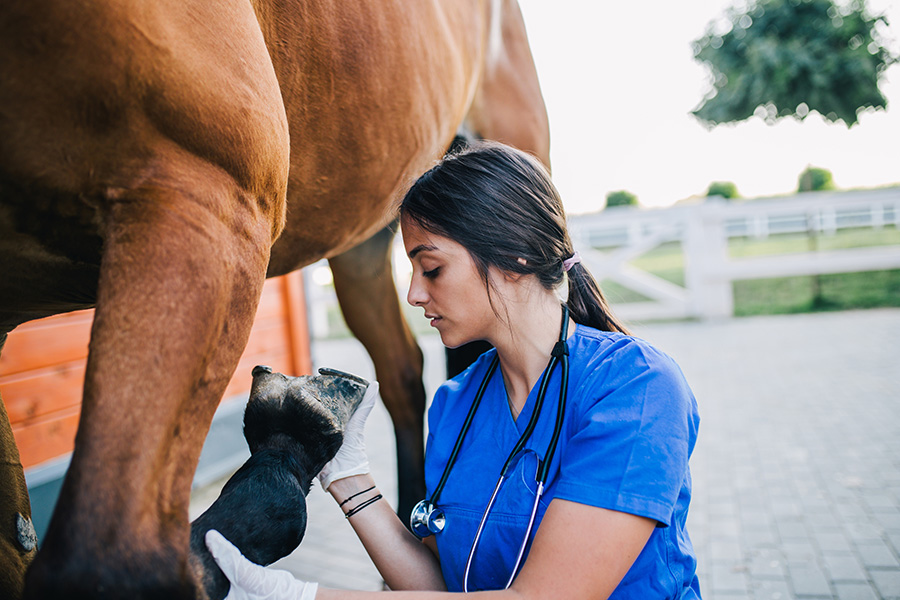
Horse Laser Therapy: Pros and Cons – What Every Equine Owner Needs to Know
Horse owners, trainers, and veterinarians are always seeking innovative ways to enhance recovery, reduce pain, and optimize performance. One of the mo…
Read the article
Published December 27, 2024 · 8 min read · Healix Lasers
As horse owners, we are constantly seeking ways to support our equine partners' well-being, performance, and recovery. In this quest, innovative technologies often emerge, and low-level laser therapy (LLLT) is one such approach that has garnered significant interest. Often discussed within the broader field of photobiomodulation (PBM), LLLT involves the application of specific wavelengths of light to interact with biological tissues. For equine athletes and companions, this method may offer a valuable adjunct to traditional care, always under the guidance of a qualified veterinarian.
Understanding LLLT begins with recognizing that it’s not about heat, but rather about light energy. Unlike surgical lasers that cut or ablate tissue, low-level lasers operate at much lower power levels, designed to elicit a physiological response within cells without causing thermal damage. The light energy is absorbed by photoreceptors within the cells, initiating a cascade of events that may support cellular function and natural restorative processes. However, it is crucial to remember that LLLT does not diagnose or treat conditions; instead, it may support comfort and rehabilitation when integrated into a veterinarian-directed care plan.
Low-level laser therapy, often discussed within photobiomodulation, uses selected wavelengths of light to interact with tissue. In equine care, it may complement a veterinarian-directed plan for comfort and rehabilitation. Outcomes depend on wavelength, dose, treatment area, and the horse’s condition. This interaction at the cellular level is what differentiates LLLT from other light-based therapies. The specific wavelengths used are critical, as different wavelengths have varying depths of penetration and absorption characteristics within biological tissues. Generally, red and near-infrared light are preferred for their ability to penetrate skin and muscle layers effectively.
When considering LLLT for your horse, it’s vital to understand that it’s not a standalone solution. A veterinarian's diagnosis and ongoing direction are paramount. They can assess your horse’s specific needs, determine if LLLT is an appropriate supportive modality, and advise on how best to incorporate it into a comprehensive care strategy. Factors such as the horse's age, breed, discipline, and overall health status, along with the specific area of concern, will all influence the veterinarian's recommendations.
Light delivery is defined by more than total power. Wavelengths, emitting area, irradiance, pulse characteristics, and session time all influence the delivered dose. Peak power and average optical output are not interchangeable. This intricate balance of parameters determines the effectiveness of the therapy. Simply put, more power doesn't always equate to better results; rather, it’s about delivering the right amount of light energy, at the right wavelength, for the appropriate duration, to the target tissues.
The science behind how light interacts with cells is complex. When light energy from a low-level laser is absorbed by chromophores (light-sensitive molecules) within cells, particularly cytochrome c oxidase in the mitochondria, it may lead to a series of biochemical reactions. These reactions are believed to potentially influence cellular metabolism, energy production, and various signaling pathways. Ultimately, these cellular responses may contribute to the body’s natural support systems, aiding in muscle comfort and recovery.
For equine applications, understanding these nuances is essential. A device that offers precise control over these parameters, or one that has been carefully engineered to deliver consistent, appropriate doses, can be a valuable tool for horse owners. However, it's always the veterinarian who interprets the horse's condition and directs the specific application, including the suggested treatment protocols and duration.
Questrian offers two distinct low-level laser therapy devices designed with equine owners in mind: the Questrian Pro and the Questrian Recovery. Each device is tailored for different applications and user experiences, ensuring that you can select the option that best fits your horse's needs and your routine. Both devices are developed with input from veterinarians, focusing on practical and supportive care. No matter your choice, both Questrian devices ship free to the lower 48 states.
Questrian Pro offers twelve targeted equine protocols and touchscreen controls. Questrian Recovery uses a broad emitting plate, three fixed modes, and a two-button interface for everyday post-exercise muscle support. Seek veterinary guidance for diagnosed injuries or persistent discomfort.
The Questrian Pro is designed for owners seeking a device with a wider range of pre-set options. Its twelve vet-created targeted protocols mean that specific settings have been developed to potentially support different areas or types of discomfort common in horses. The intuitive touchscreen interface allows for easy navigation and selection of these protocols, making it a sophisticated tool for those who want more precise control over their light therapy applications.
In contrast, the Questrian Recovery, a new addition for 2026, is built for simplicity and routine use. Featuring a broad emitting plate, it’s ideal for larger muscle groups and is specifically positioned for post-exercise muscle support. Its three standard modes and Apple-style two-button controls make it exceptionally user-friendly, perfect for quick, daily applications. This device is an excellent choice for owners looking to incorporate routine supportive care into their horse's regimen, particularly after strenuous activity.
When deciding between the two, consider your primary needs. If you require a device with more specialized settings and a broader range of supportive applications for various scenarios, the Questrian Pro may be more suitable. If your focus is on consistent, easy-to-use post-exercise muscle support, the Questrian Recovery is designed precisely for that. For any concerns related to diagnosed conditions or persistent discomfort, always consult with your veterinarian, as they will direct the appropriate care plan.
While low-level laser therapy devices are designed for safe use by horse owners, adherence to best practices is crucial. Beyond reading the manual and wearing protective eyewear, understanding the principles of proper application can enhance the supportive benefits for your horse. The goal is to provide consistent, appropriate light energy to the target area without over or under-doing it. Your veterinarian is the best resource for tailoring these applications to your horse’s specific needs.
It is important to maintain a clean device and ensure that the area being treated on your horse is also clean. Dirt, debris, or residues on the horse’s coat can interfere with light penetration and reduce the effectiveness of the therapy. Gentle grooming of the area before application is often recommended. Additionally, always observe your horse’s reaction during and after sessions. While LLLT is generally well-tolerated, any signs of discomfort should prompt a pause and consultation with your veterinarian.
For more detailed information on general safety guidelines, you can visit our safety information page. Remember, these devices are designed to support, not replace, professional veterinary care. The ongoing partnership with your veterinarian is key to ensuring your horse receives the most appropriate and effective care.
Low-level laser therapy devices like the Questrian Pro and Questrian Recovery may offer valuable support for equine comfort and recovery, particularly for post-exercise muscle care. By understanding how these devices work, choosing the right model for your needs, and always prioritizing veterinary guidance, horse owners can thoughtfully integrate this technology into their equine care routines. These tools are designed to complement a comprehensive approach to equine wellness, always emphasizing the central role of a veterinarian in diagnosing conditions and directing care.
As you explore the potential benefits of LLLT for your horse, remember the importance of education and communication. Stay informed about the technology, read all device documentation thoroughly, and maintain an open dialogue with your veterinarian. This approach will empower you to make informed decisions that contribute to your horse's overall health and happiness.
Low-level laser therapy may support many horses, but it is always best to consult with your veterinarian before beginning any new supportive care regimen. They can assess your horse's individual health status and advise if LLLT is a suitable addition to their care plan.
The frequency of use for Questrian devices will depend on your horse’s specific needs and the type of support being provided. For routine post-exercise muscle support, as with the Questrian Recovery, daily or every-other-day applications may be appropriate. For other supportive applications with the Questrian Pro, your veterinarian will provide the best guidance based on their assessment and the chosen protocol. Always follow the veterinarian's directions and the device's manual.
The Questrian Pro offers twelve vet-created targeted protocols and a touchscreen interface, providing more specialized options for various supportive applications. The Questrian Recovery (new for 2026) features a broad emitting plate, three standard modes, and simple two-button controls, making it ideal for routine post-exercise muscle support. Your choice depends on whether you need targeted versatility or straightforward daily support.
While Questrian devices are designed for user-friendliness, it is essential to read the complete manual and familiarize yourself with its operation and safety guidelines before use. Always use wavelength-appropriate protective eyewear. Your veterinarian can also offer practical advice on how to best integrate the device into your horse’s care routine.
You can find detailed information about the Questrian Pro on its product page at /product/questrian-equine-laser-therapy/. For information on the Questrian Recovery, visit /product/questrian-recovery/. For an overview of all our laser models, please see /laser-models/.
Educational content only, not a veterinary diagnosis or treatment recommendation. Your veterinarian should assess your horse and guide any care plan.
Compare the Questrian rangeHorse owners, trainers, and veterinarians are always seeking innovative ways to enhance recovery, reduce pain, and optimize performance. One of the mo…
Read the article
A controlled study published in Frontiers in Veterinary Science in 2020 tracked 12 Warmblood horses with induced superficial digital flexor tendon les…
Read the article
A 2019 systematic review published in Lasers in Medical Science analyzed 68 studies on photobiomodulation therapy for wound healing and found that las…
Read the articleLet’s find the Questrian laser that fits your horse, your barn, and your routine.