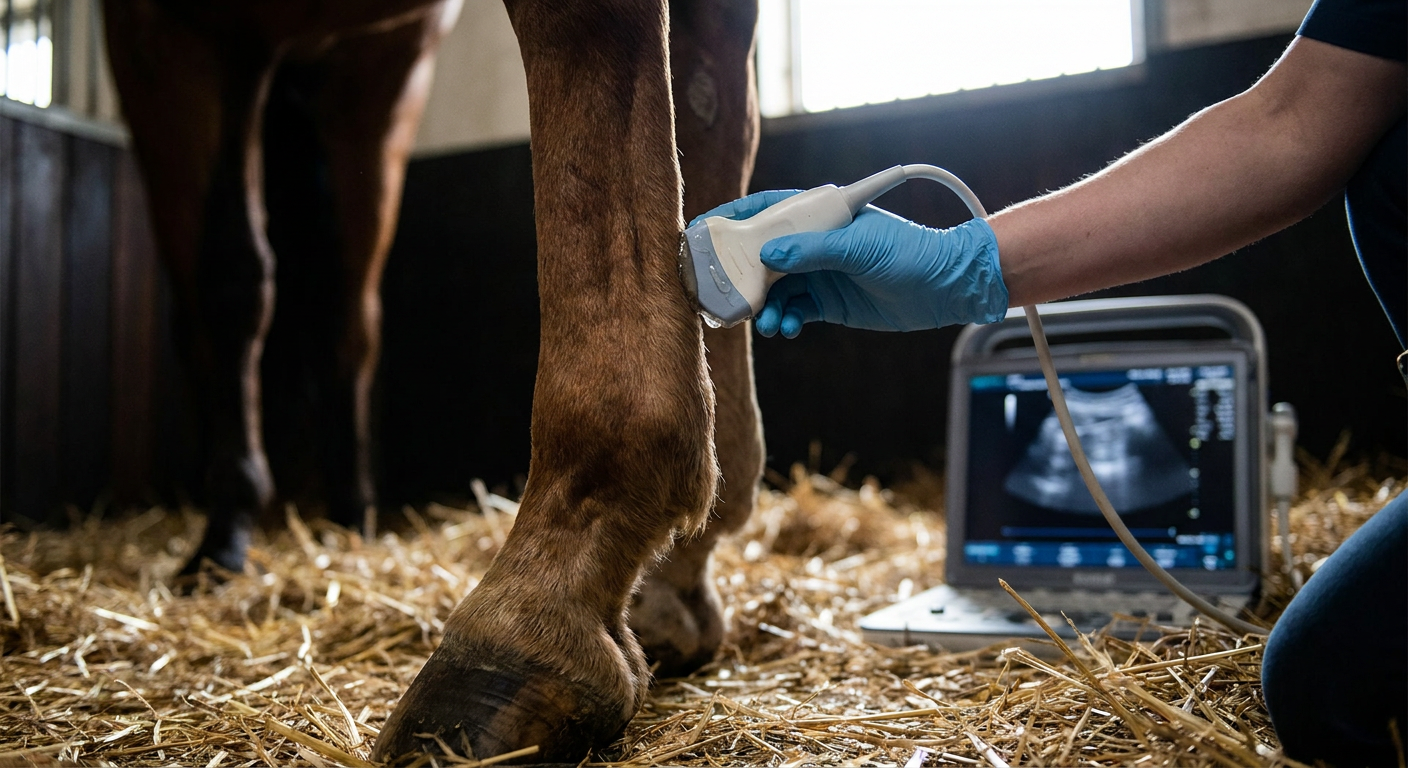
A controlled study published in Frontiers in Veterinary Science tracked 12 Warmblood horses with induced suspensory ligament injuries and found that those receiving high-power laser therapy showed significantly reduced lesion size compared to untreated controls—with measurable improvements visible on ultrasound within weeks of treatment onset.

Bar chart comparing tendon lesion size reduction in laser-treated versus control horses.

Research shows a significant reduction in lesion size for horses treated with high-power laser therapy compared to untreated controls over four weeks.

Comparison chart showing lesion size reduction over time for laser-treated vs untreated horses.

Comparison of ligament lesion reduction between laser-treated horses and control groups over a four-week period.

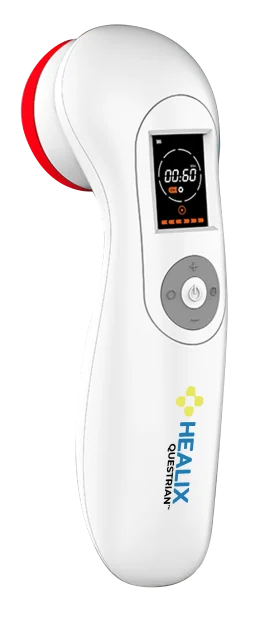
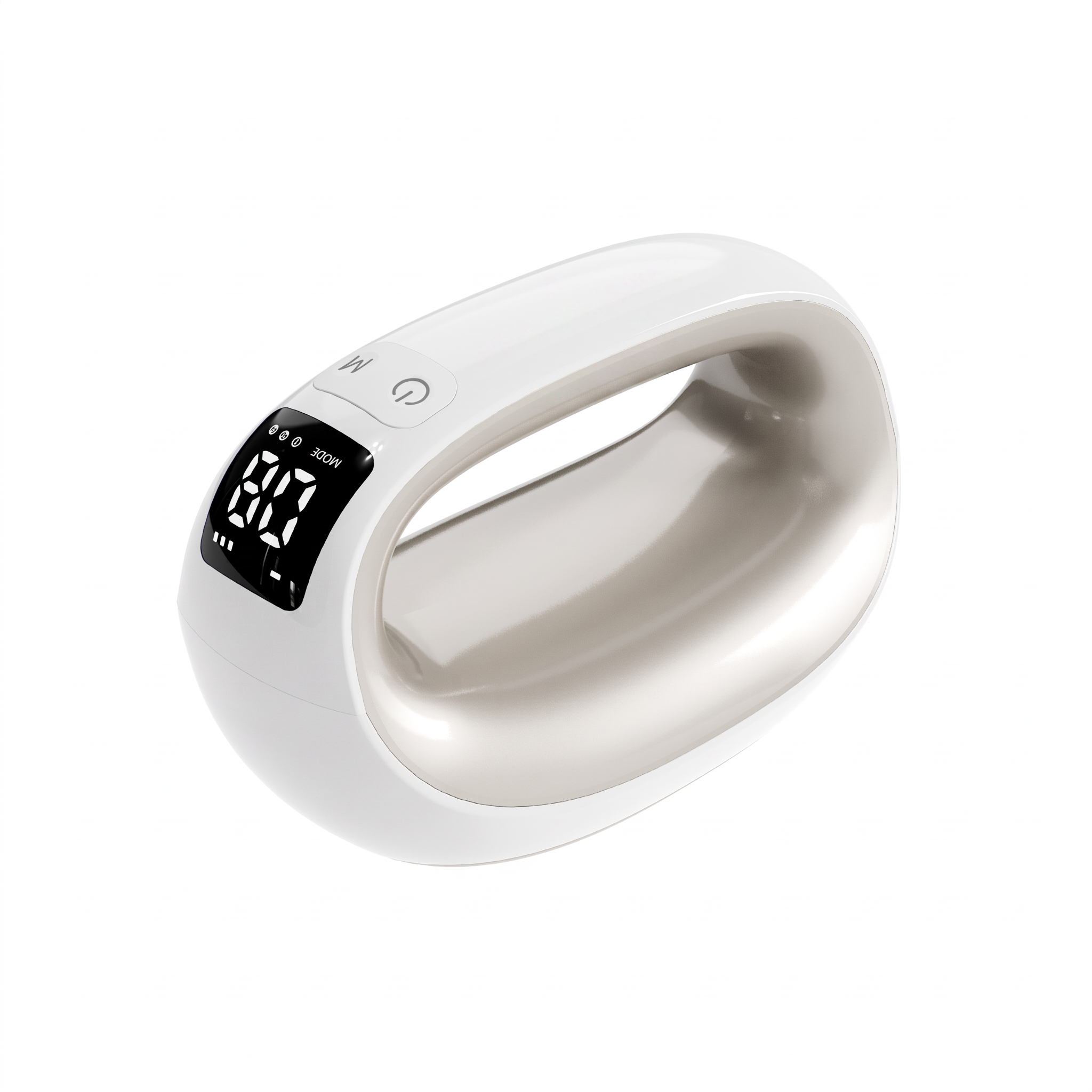
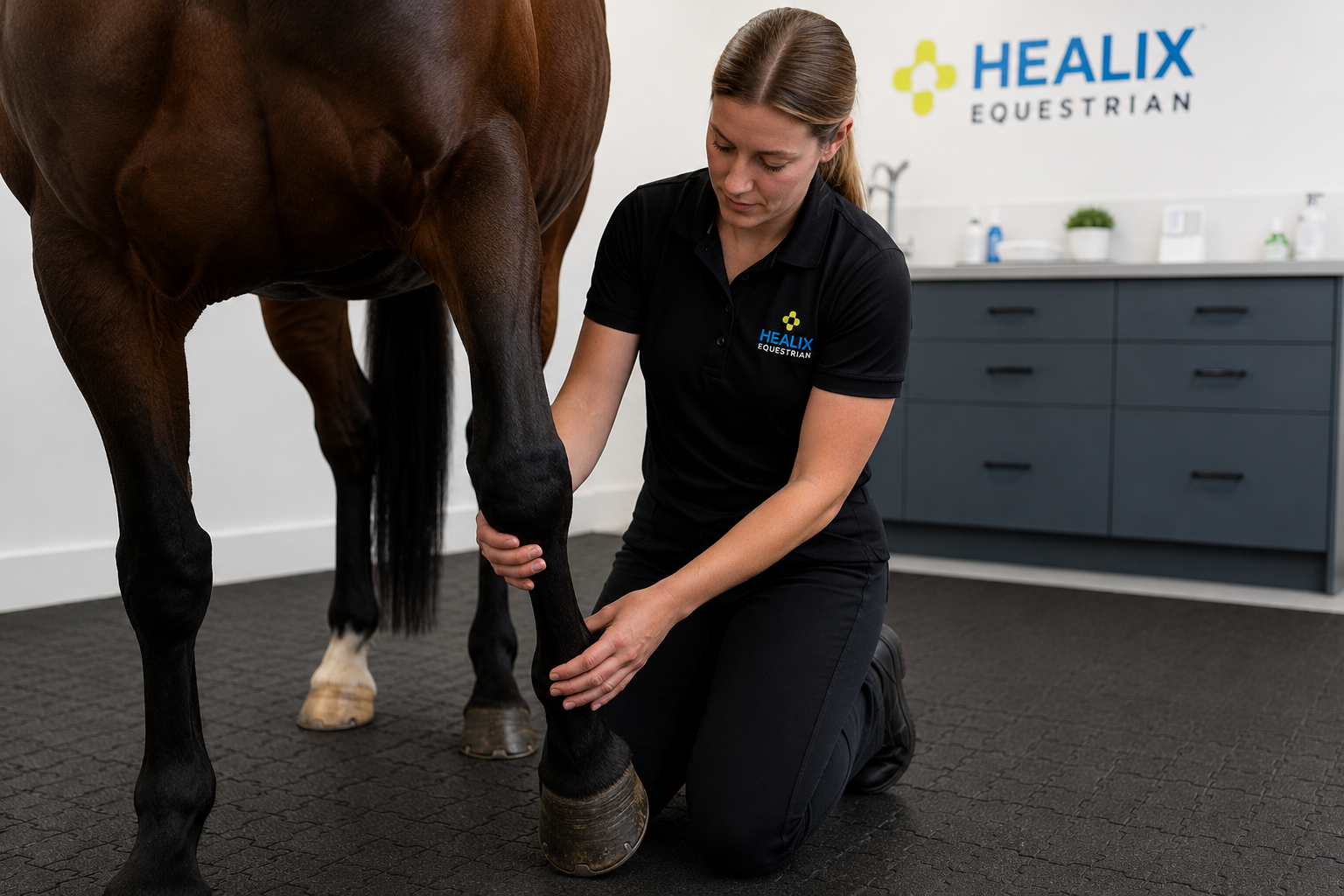
Laser therapy for horse tendon injuries uses specific wavelengths of light to penetrate deep into damaged tissue, stimulating cellular repair at the mitochondrial level. This photobiomodulation process increases ATP production, reduces inflammation, and accelerates the natural healing cascade—helping horses recover from tendon injuries faster and return to work with stronger, better-organized tissue. The Healix Questrian™ delivers this professional-grade therapy in a portable, barn-ready device designed specifically for equine use.

This article examines the science behind laser therapy for equine tendon injuries, reviews published veterinary research on treatment efficacy, explains how multi-wavelength technology targets different tissue depths, and shows how the Healix Questrian supports faster, more complete tendon healing.

Why Tendon Injuries Sideline Performance Horses

Tendon injuries represent one of the most challenging recovery scenarios in equine medicine. The superficial digital flexor tendon (SDFT) and suspensory ligament bear enormous mechanical loads during athletic performance—and when they fail, the consequences extend far beyond the initial injury.

Published research in the Equine Veterinary Journal documents that SDFT injuries account for up to 46% of limb injuries in racehorses, with recurrence rates as high as 56% within two years of return to training. The economic impact is substantial: a 2018 study calculated average losses exceeding $43,000 per injury event when accounting for veterinary care, rehabilitation, training interruption, and lost competition revenue.

The biology of tendon healing explains why these injuries are so problematic:

  • Tendons have limited blood supply compared to muscle tissue, restricting nutrient and oxygen delivery to damaged areas
  • Natural healing produces type III collagen (scar tissue) rather than the type I collagen that gives healthy tendons their strength and elasticity
  • Scar tissue formation creates mechanical weak points that increase re-injury risk
Diagram comparing healthy tendon fiber alignment versus disorganized scar tissue.

Laser therapy encourages organized Type I collagen growth over weaker scar tissue.

  • Traditional rest-based recovery protocols extend 12–18 months, with no guarantee of return to previous performance levels
Diagram comparing disorganized scar tissue fibers to organized Type I collagen fibers in a tendon.

Photobiomodulation helps transition healing tissue from disorganized scar tissue to functional Type I collagen.

Diagram comparing disorganized scar tissue fibers to organized Type I collagen fibers.

Laser therapy promotes the development of organized Type I collagen rather than the weak, disorganized scar tissue typical of traditional healing.

The challenge isn’t just healing the tendon—it’s healing it in a way that restores function and reduces the risk of re-injury. This is where conventional approaches often fall short, and where photobiomodulation therapy offers documented advantages.

How Photobiomodulation Accelerates Tendon Repair

Photobiomodulation (PBM)—the mechanism behind therapeutic laser therapy—works at the cellular level to enhance the body’s natural repair processes. Understanding this science explains why laser therapy produces measurable improvements in tendon healing outcomes.

When specific wavelengths of light penetrate tissue, they are absorbed by cytochrome c oxidase, a photoreceptor enzyme located in cellular mitochondria. This absorption triggers a cascade of biochemical responses:

  • Increased ATP production: Mitochondria produce more adenosine triphosphate (ATP), the cellular energy currency required for tissue repair and regeneration
  • Enhanced collagen synthesis: Fibroblasts—the cells responsible for producing collagen—increase activity, improving the quality and organization of new tendon tissue
  • Reduced inflammation: Pro-inflammatory cytokines decrease while anti-inflammatory mediators increase, creating conditions favorable for healing rather than chronic inflammation
  • Improved microcirculation: Blood vessel dilation increases blood flow to the treatment area, delivering oxygen and nutrients to hypovascular tendon tissue
  • Modulated pain signaling: Nerve conduction changes reduce pain perception, improving comfort during the rehabilitation process

The research supporting these mechanisms is substantial. Tiina Karu’s foundational work on photobiomodulation, published across multiple peer-reviewed journals, established the cytochrome c oxidase absorption spectrum and documented the cellular energy effects that follow light exposure.

For equine tendon injuries specifically, a retrospective study by Pluim and colleagues analyzed outcomes in 150 sport horses treated with high-power laser therapy. The results showed 85% of horses successfully returned to their previous or higher competition level—a remarkable outcome given the historically poor prognosis for many tendon injuries.

Why Multi-Wavelength Technology Matters

Different wavelengths of light penetrate tissue to different depths, which is why effective tendon therapy requires more than a single-wavelength approach.

The Healix Questrian uses four therapeutic wavelengths, each targeting specific tissue layers:

Cross-section diagram of a horse's lower leg showing laser penetration through tissue layers.

Multi-wavelength technology ensures therapeutic energy reaches from the superficial skin down to the deep tendon core.

  • 905nm (pulsed infrared): Deepest penetration, reaching tendon cores and deep ligament structures where the most significant damage often occurs
  • 850nm (continuous infrared): Targets tendons, ligaments, and joint capsules—the structures most affected in athletic horses
  • 635nm (red visible light): Addresses superficial tissue, skin, and wound healing at the surface level
  • 470nm (blue visible light): Provides antibacterial effects for wound management and surface treatment

This multi-wavelength approach ensures that light energy reaches every layer of the injured structure—from the peritendinous tissue to the tendon core—creating comprehensive therapeutic coverage that single-wavelength devices cannot achieve.

Cross-section diagram of horse leg anatomy showing different laser wavelengths reaching specific tissue depths.

Multi-wavelength technology ensures therapeutic energy reaches both superficial and deep tendon structures.

Cross-section of an equine leg showing different wavelengths of light penetrating tissue layers.

Multi-wavelength technology ensures therapeutic energy reaches both superficial and deep tendon structures.

How the Healix Questrian Supports Tendon Healing

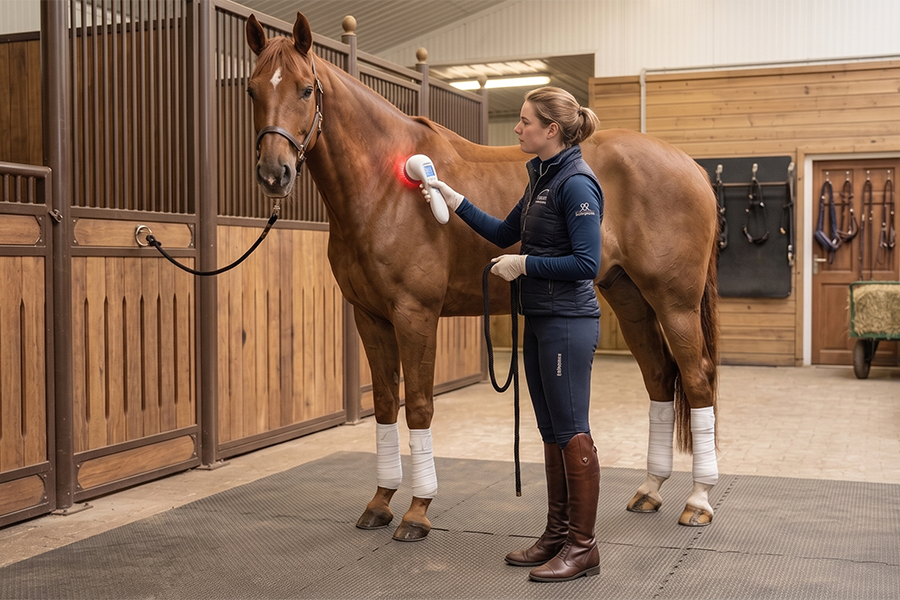
The Healix Questrian™ was designed specifically for equine therapeutic applications, translating the photobiomodulation science into practical, barn-ready treatment capability.

Technical specifications relevant to tendon therapy:

  • 75W total output: Professional-grade power delivery ensures therapeutic dosages reach deep tendon structures within practical treatment times
  • Four wavelengths (905nm, 850nm, 635nm, 470nm): Simultaneous multi-depth treatment addresses the entire injury zone
  • 12 pre-programmed equine protocols: Including dedicated tendon and ligament protocols using optimized pulsed delivery patterns
  • Portable handheld design: 270g weight and 5000mAh battery enable barn-side treatment without clinic transport

The Questrian is FDA-cleared, CE certified, and manufactured under ISO 13485 and ISO 9001 quality management systems—the same regulatory standards required for human medical devices.

For tendon injuries, the device’s pre-programmed protocols deliver evidence-based dosages calibrated to equine tissue characteristics. Treatment sessions typically run 5–15 minutes per area depending on injury severity and location, with protocols designed for daily or every-other-day application during the acute and subacute healing phases.

The practical advantage of barn-side treatment cannot be overstated. Research on treatment compliance shows that therapies requiring clinic visits face adherence challenges—horses must be trailered, scheduled into clinic availability, and managed around competition and training calendars. The Questrian’s portability eliminates these barriers, enabling consistent treatment protocols that align with published research on optimal dosing frequency.

See how the Healix Questrian can support your horse’s tendon recovery. Learn more at healixlasers.com/product/questrian-equine-laser-therapy or call 888-775-4676.

What Does the Research Show for Equine Tendon Healing?

The 2020 controlled study published in Frontiers in Veterinary Science provides some of the strongest evidence for laser therapy in equine tendon injuries. Researchers induced standardized suspensory ligament lesions in 12 Warmblood horses, then treated half with high-power laser therapy while the other half served as untreated controls.

Ultrasound monitoring at multiple time points revealed significantly smaller lesion sizes in the laser-treated group. The treated horses showed improved echogenicity—the ultrasound signature of better-organized tissue—suggesting enhanced collagen fiber alignment compared to the scar tissue patterns typical of untreated healing.

The Pluim retrospective study of 150 sport horses with various soft tissue injuries provides additional real-world evidence. Across diagnoses including suspensory ligament desmitis, SDFT tendinopathy, and other tendon/ligament injuries, 85% of treated horses returned to their previous competition level or higher. For injuries that historically carry re-injury rates above 50%, this return-to-sport percentage represents a meaningful improvement in outcomes.

Research published in Lasers in Medical Science examined the cellular mechanisms in tendon healing specifically, documenting increased fibroblast activity and improved collagen organization in laser-treated tissue samples. These histological findings support the clinical observations—laser therapy doesn’t just reduce symptoms, it appears to improve the quality of the healed tissue itself.

How long does laser therapy take to show results on horse tendon injuries?

Published research shows measurable improvements on ultrasound within 2–4 weeks of beginning treatment, though the full healing process requires months of consistent therapy combined with appropriate controlled exercise protocols.

The timeline varies based on injury severity, location, and whether treatment begins in the acute phase or after inflammation has become chronic. The Pluim controlled study documented visible lesion reduction at the first follow-up ultrasound examination, while complete return-to-sport rehabilitation typically extended over 4–6 months with continued laser therapy as part of the rehabilitation program. Starting treatment early—before significant scar tissue formation—appears to produce better outcomes than delayed intervention.

Can laser therapy replace rest for horse tendon injuries?

No—laser therapy accelerates healing but does not replace the mechanical protection that controlled rest and graduated exercise provide during tendon recovery.

Veterinary rehabilitation protocols combine photobiomodulation with structured turnout, controlled exercise progression, and periodic ultrasound monitoring. The Healix FAQ emphasizes that laser therapy supports—rather than replaces—veterinary treatment plans. The therapeutic benefit comes from enhancing cellular repair while mechanical loading is carefully managed to prevent re-injury. Research supporting laser therapy for tendon injuries consistently describes it as an adjunct therapy integrated into comprehensive rehabilitation programs.

Is laser therapy safe for daily use on horses?

Yes—the Healix Questrian is designed for daily or every-other-day treatment during active rehabilitation phases, following the dosing protocols established in published equine research.

The device’s pre-programmed protocols incorporate evidence-based parameters including treatment duration, power density, and pulsing patterns. The 905nm pulsed delivery reduces thermal buildup while maintaining therapeutic energy delivery. Healix safety guidelines recommend following veterinary guidance on treatment frequency and avoiding direct eye exposure during treatment sessions. The FDA clearance and CE certification reflect safety testing appropriate for repeated therapeutic use.

Conclusion: Supporting Faster, Stronger Tendon Healing

The controlled study showing significant lesion reduction in laser-treated horses reflects a broader body of evidence: photobiomodulation accelerates tendon healing by enhancing the cellular processes that drive tissue repair.

For horse owners and trainers managing tendon injuries, the clinical research supports laser therapy as a meaningful addition to rehabilitation protocols—improving not just healing speed but potentially the quality of repaired tissue and long-term soundness outcomes.

The Healix Questrian brings professional-grade multi-wavelength therapy to the barn, enabling consistent treatment protocols without clinic transport logistics. For horses facing tendon injuries, this accessibility can mean the difference between sporadic treatment and the daily therapeutic consistency that published research associates with better outcomes.

Explore the Healix Questrian at healixlasers.com/product/questrian-equine-laser-therapy or call 888-775-4676 to discuss your horse’s recovery needs.

Frequently Asked Questions

What types of tendon injuries respond to laser therapy in horses?

Superficial digital flexor tendon (SDFT) injuries, suspensory ligament desmitis, deep digital flexor tendon damage, and check ligament injuries all respond to photobiomodulation therapy. The Healix Questrian’s multi-wavelength design delivers therapeutic light to both superficial and deep structures, addressing the range of tendon and ligament injuries common in performance horses.

How often should I use laser therapy on my horse’s tendon injury?

Most veterinary protocols recommend daily or every-other-day treatment during the acute and subacute healing phases, transitioning to 2–3 times weekly during later rehabilitation stages. The Healix Questrian’s pre-programmed equine protocols guide treatment duration, while your veterinarian can advise on frequency based on injury severity and healing progression.

Does the Healix Questrian require special training to use?

No specialized certification is required. The device features 12 pre-programmed equine protocols that automatically set appropriate treatment parameters. The Healix Technical Support Center provides guidance on treatment application, and the portable handheld design makes barn-side use straightforward for horse owners and trainers.

Can laser therapy help prevent re-injury after a tendon heals?

Research suggests that laser therapy may improve collagen organization during healing, potentially producing stronger tissue than scar-tissue-dominated natural healing. The Pluim retrospective study’s 85% return-to-competition rate—for injuries with historically high recurrence—indicates favorable long-term outcomes, though controlled longitudinal studies specifically examining re-injury rates are still limited.

Is the Healix Questrian FDA cleared for equine use?

Yes—the Healix Questrian is FDA cleared, CE certified, and manufactured under ISO 13485 and ISO 9001 quality management standards. These certifications reflect safety and manufacturing quality testing. The device is designed specifically for equine therapeutic applications, with protocols calibrated to horse tissue characteristics and common injury presentations.

This article is for informational purposes only and does not constitute veterinary advice. The information provided reflects published veterinary research on photobiomodulation and Healix Lasers’ product documentation. Treatment outcomes vary by horse, condition, and severity. Consult a licensed veterinarian before beginning any new therapy. The Healix Questrian™ is an FDA-cleared, CE-certified device designed for equine therapeutic use. For current product information, visit healixlasers.com or call 888-775-4676.